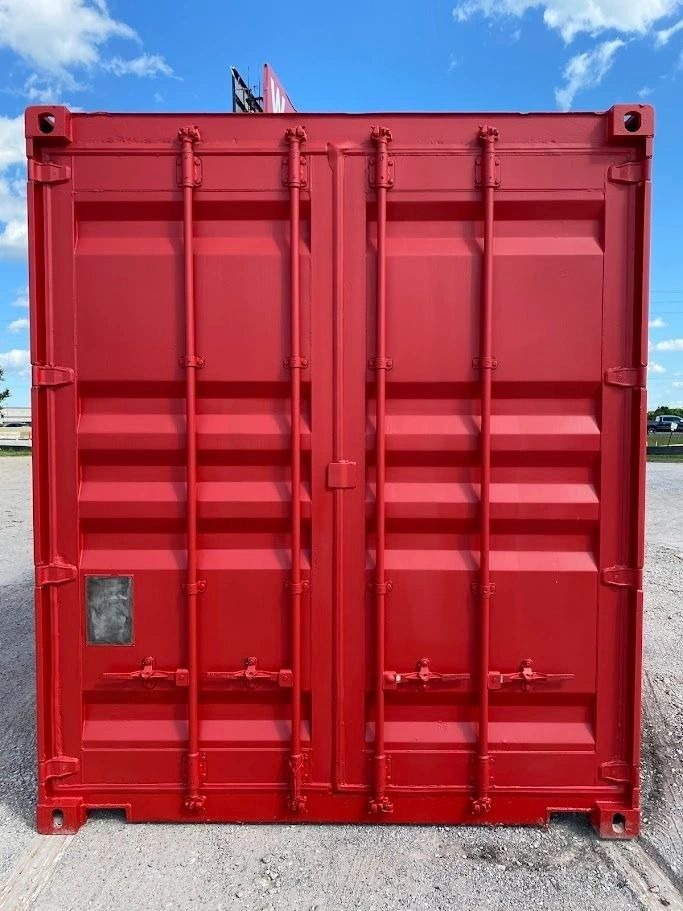
Understanding Leg1 Containers: The Future of Modular Shipping
In the fast-paced world of logistics and shipping, performance and specialization have actually taken center phase. Among the innovations emerging from this landscape is the principle of Leg1 containers. Shipping Container 45ft explores what Leg1 containers are, their applications, and their effect on the shipping market, along with attending to typical concerns about this modern-day shipping solution.
What Are Leg1 Containers?
Leg1 containers, frequently described as modular containers, are specialized shipping systems developed for improved versatility and performance in transportation and storage. Unlike standard shipping containers, Leg1 containers are engineered to enhance area, enhance handling, and deal with a range of cargo types. These containers are particularly helpful for industries needing quick release and flexible supply chain operations, such as e-commerce, pharmaceuticals, and food services.
Secret Features of Leg1 Containers
- Modularity: Leg1 containers can be integrated with other Leg1 systems to produce larger shipping services customized to specific needs. This flexibility permits services to adjust their shipping infrastructure rapidly.
- Smart Technology Integration: Many Leg1 containers come geared up with IoT gadgets that provide real-time tracking, temperature level control, and cargo monitoring, boosting efficiency and decreasing the risk of damage or loss.
- Sturdiness: Constructed using high-quality products, these containers withstand harsh environments and maintain the integrity of their contents.
- Sustainability: As sustainability becomes a top priority across markets, Leg1 containers are often built with environmentally friendly materials and can be repurposed, reducing waste.
Applications of Leg1 Containers
Leg1 containers serve a wide range of industries and applications. Here are a couple of notable examples:
| Industry | Application |
|---|---|
| E-commerce | Last-mile delivery effectiveness in urban locations |
| Pharmaceuticals | Temperature-controlled transport for sensitive drugs |
| Food Services | Mobile kitchens and on-site catering solutions |
| Construction | Storage and transportation of tools and materials |
| Agriculture | Farming devices and livestock transport |
The table above highlights the flexibility of Leg1 containers throughout numerous sectors, showcasing their capability to efficiently attend to special logistical obstacles.
Benefits of Using Leg1 Containers
Businesses that embrace Leg1 containers often experience a number of advantages, consisting of:
1. Boosted Efficiency
Leg1 containers' smart technology integration allows for much better stock management and tracking, leading to lowered preparations and functional costs.
2. Customization
Businesses can customize the size and setup of Leg1 containers to meet particular shipping requirements, improving area utilization within the supply chain.
3. Improved Safety
The durable style of Leg1 containers helps to safeguard cargo from ecological risks, decreasing the danger of putridity or damage during transport.
4. Scalability
As companies grow, Leg1 containers can easily broaden or decrease capability without requiring large capital expense in facilities.
5. Ecological Impact
Minimizing waste through the reusability of Leg1 containers adds to reduce carbon footprints, lining up with global sustainability goals.
Comparison Between Leg1 Containers and Standard Containers
When thinking about the benefits of Leg1 containers, it's necessary to compare them with conventional shipping containers to highlight the distinct benefits they offer.
| Feature | Leg1 Containers | Standard Containers |
|---|---|---|
| Modularity | Extremely modular, adjustable | Repaired size and design |
| Technology | Smart functions (tracking, IoT) | Minimal technology |
| Toughness | Top quality, weather-resistant | Differs by producer |
| Environmental Impact | Environment-friendly options offered | Restricted sustainability efforts |
| Application | Versatile use across sectors | Primarily for bulk transportation |
This table shows how Leg1 containers fill a niche that basic containers can not, making them an interesting choice for modern logistics.
Regularly Asked Questions
What kinds of items can be transferred in Leg1 containers?
Leg1 containers are created for a wide variety of goods, including perishables, pharmaceuticals, electronic devices, and bulk products. Their modular nature allows for the transport of numerous cargo types, adapting to the requirements of different industries.
How do I select the ideal Leg1 container?
Choosing the appropriate Leg1 container includes considering the kind of items you are carrying, the needed storage conditions (e.g., temperature control), and the size that best matches your operational needs. Consulting with a logistics supplier familiar with Leg1 innovation can help enhance this procedure.
Are Leg1 containers more expensive than traditional containers?
While preliminary costs may be higher due to innovative technology and modification alternatives, the total cost savings attained through performance, decreased losses, and much shorter shipping times frequently surpass these expenses in the long run.
How are Leg1 containers maintained?
Upkeep of Leg1 containers generally includes regular assessments to make sure structural integrity, examining the functionality of smart devices, and adherence to any industry-specific guidelines concerning shipping and handling.
Where can I buy or rent Leg1 containers?
Lots of logistics business and providers specialize in modular containers. A quick search online or connecting to local logistics suppliers can yield several alternatives customized to your organization's needs.
Leg1 containers represent a considerable development in the shipping industry, providing unmatched versatility and effective area usage. Their ability to integrate technology with modular design permits enhancements in performance, safety, and ecological impact. As worldwide shipping practices continue to develop, Leg1 containers are poised to become a necessary element of modern-day logistics facilities, helping businesses browse the intricacies these days's supply chain demands.
With higher demand for versatile and effective shipping services, businesses seeking to the future will benefit exceptionally by considering the combination of Leg1 containers into their operations.